
-
Green biothane dog collar
Regular price £24.99 GBPRegular priceUnit price per£29.99 GBPSale price £24.99 GBPSale -
Adjustable biothane collar
Regular price £22.99 GBPRegular priceUnit price per£29.99 GBPSale price £22.99 GBPSale -
Biothane waterproof dog collar
Regular price £22.99 GBPRegular priceUnit price per£29.99 GBPSale price £22.99 GBPSale -
2 inch biothane dog collar
Regular price £22.99 GBPRegular priceUnit price per£29.99 GBPSale price £22.99 GBPSale -
Red biothane dog collar
Regular price £24.99 GBPRegular priceUnit price per£29.99 GBPSale price £24.99 GBPSale -
Biothane collar with buckle
Regular price £22.99 GBPRegular priceUnit price per£29.99 GBPSale price £22.99 GBPSale -
Rubber spiked dog collar
Regular price £29.99 GBPRegular priceUnit price per£39.99 GBPSale price £29.99 GBPSale -
1.5 inch biothane dog collar
Regular price £22.99 GBPRegular priceUnit price per£29.99 GBPSale price £22.99 GBPSale -
Biothane buckle collar
Regular price £24.99 GBPRegular priceUnit price per£29.99 GBPSale price £24.99 GBPSale -
Purple biothane dog collar
Regular price £24.99 GBPRegular priceUnit price per£29.99 GBPSale price £24.99 GBPSale -
Orange biothane collar
Regular price £24.99 GBPRegular priceUnit price per£29.99 GBPSale price £24.99 GBPSale -
Yellow biothane dog collar
Regular price £24.99 GBPRegular priceUnit price per£29.99 GBPSale price £24.99 GBPSale -
Reflective biothane dog collar
Regular price £24.99 GBPRegular priceUnit price per£29.99 GBPSale price £24.99 GBPSale -
Quick release biothane collar
Regular price £24.99 GBPRegular priceUnit price per£29.99 GBPSale price £24.99 GBPSale -
Rubber prong dog collar
Regular price £24.99 GBPRegular priceUnit price per£29.99 GBPSale price £24.99 GBPSale -
Purple rubber dog collar
Regular price £24.99 GBPRegular priceUnit price per£29.99 GBPSale price £24.99 GBPSale
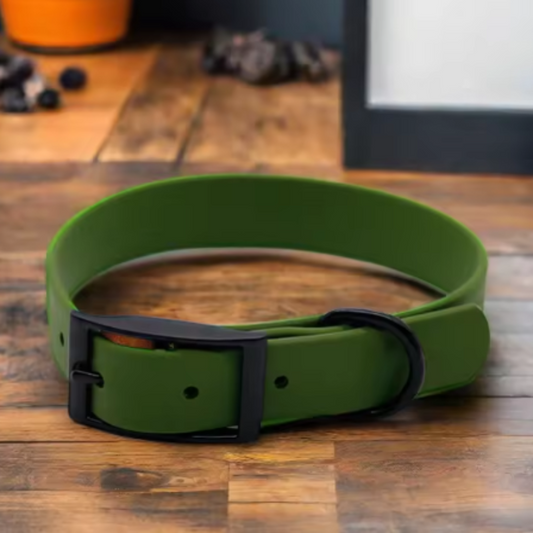
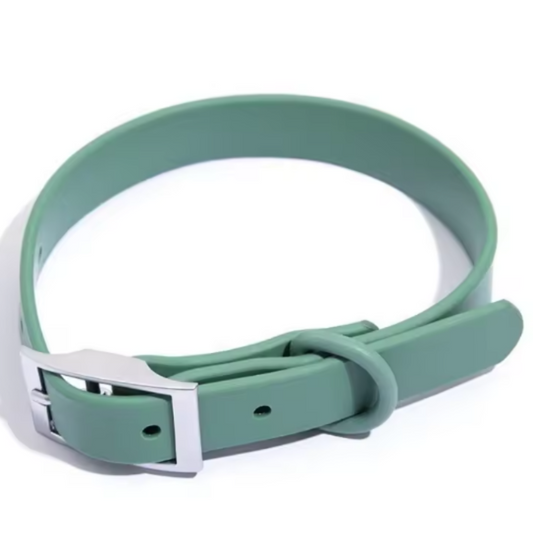
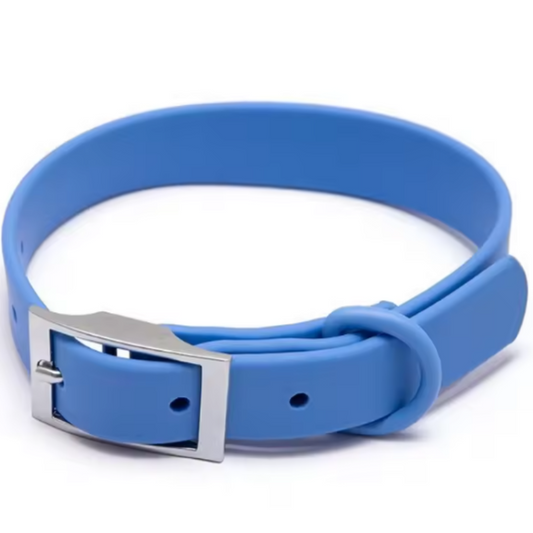
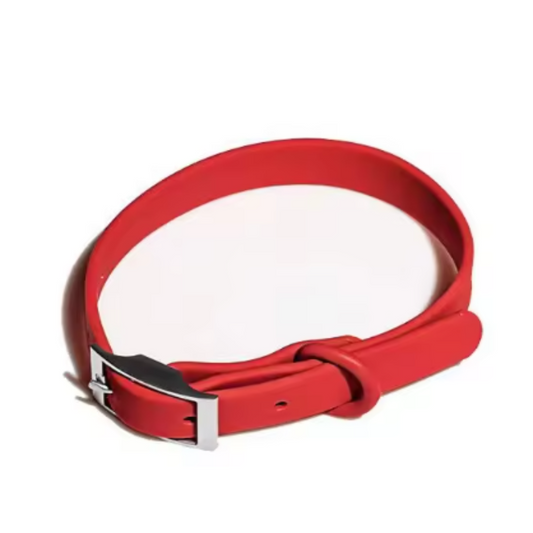
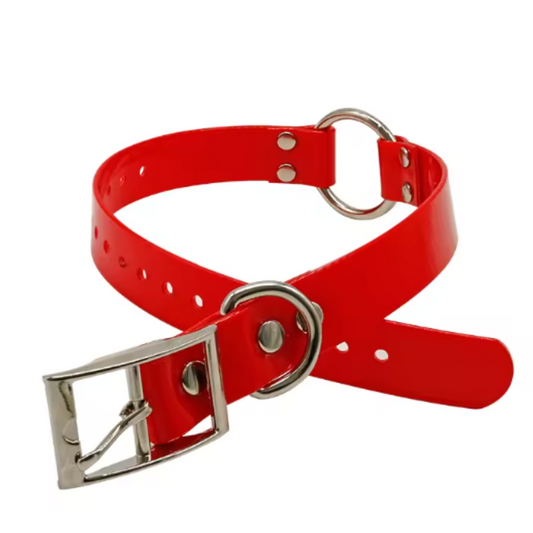
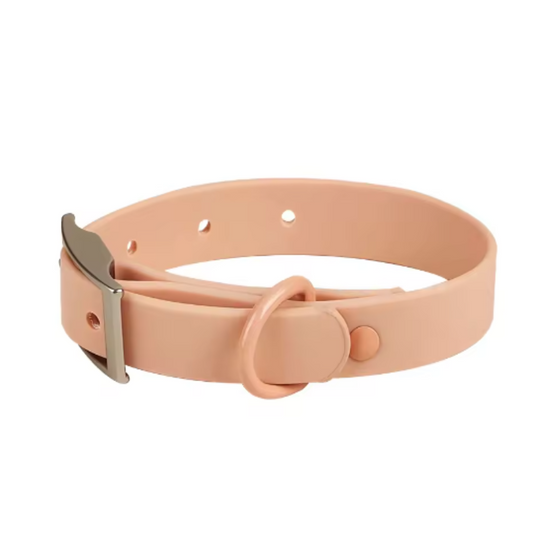
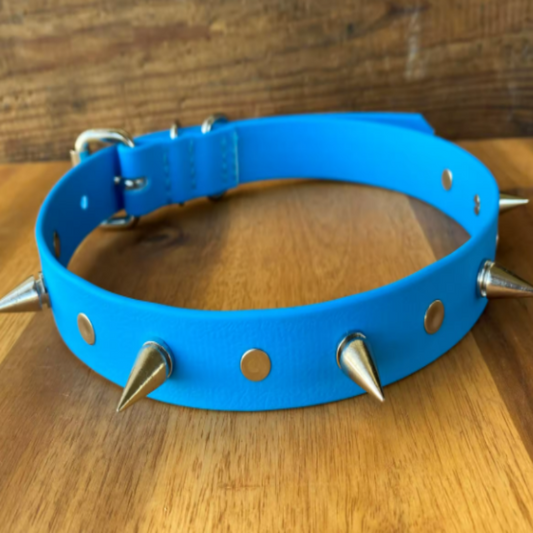
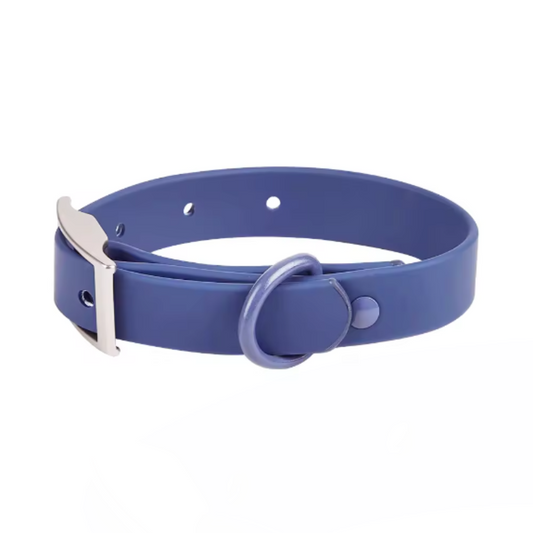
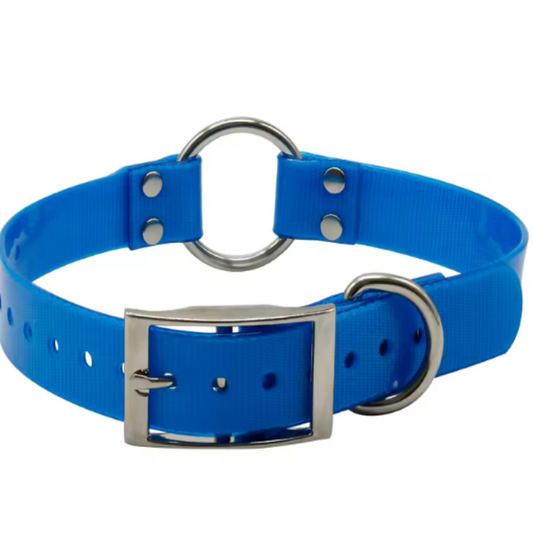
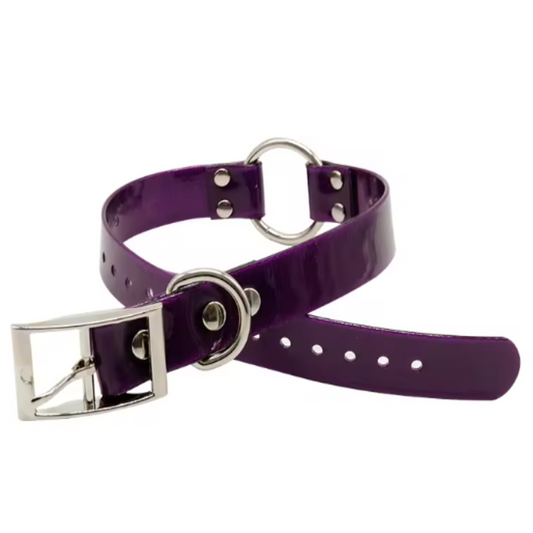
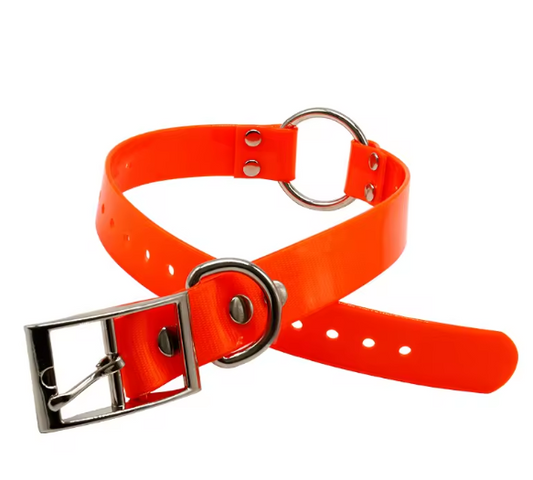
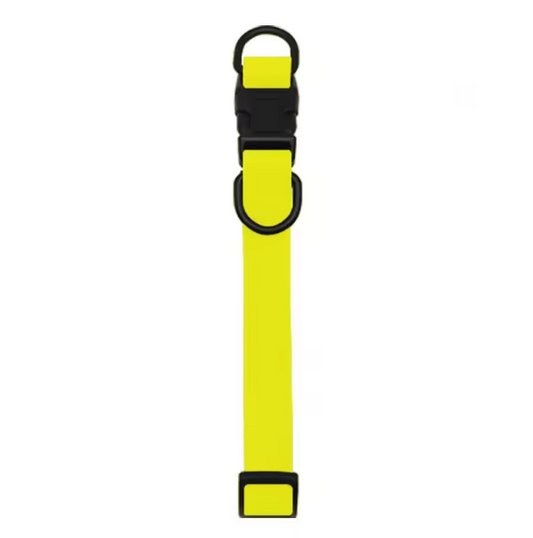
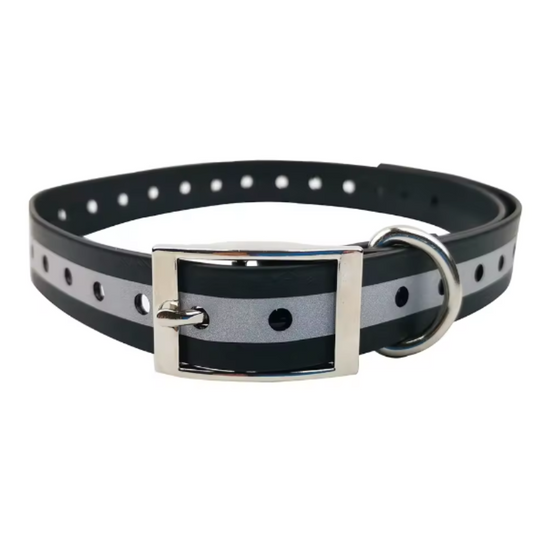
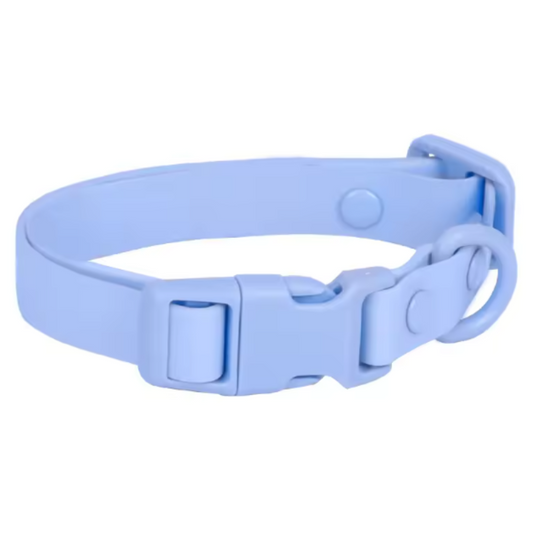
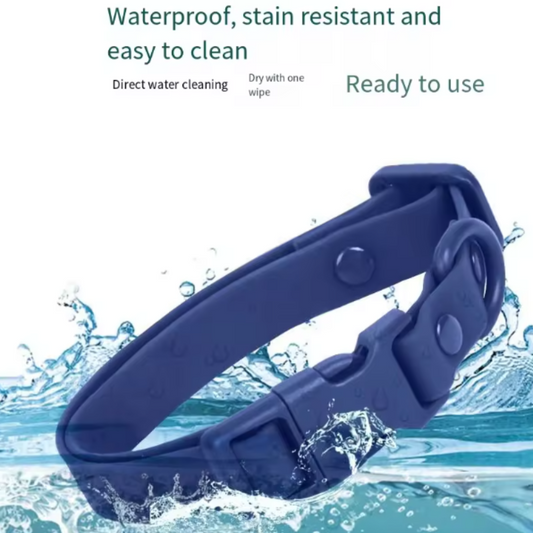
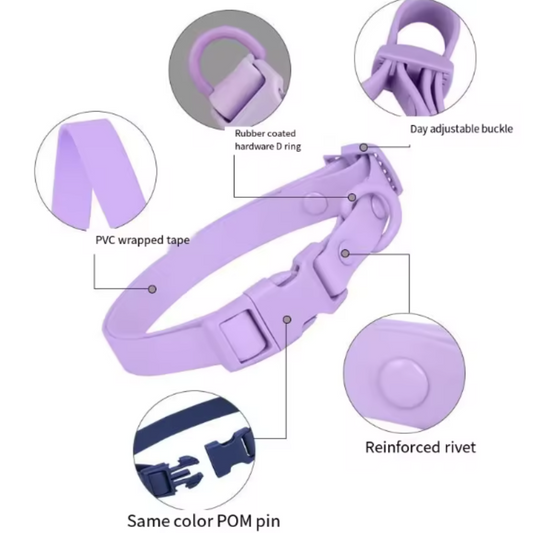
BioThane dog collars look fairly simple at first. Most have the same basic shape as an ordinary collar. The material feels quite different once you have one in your hand.
Instead of exposed fabric or leather, the webbing has a smooth outer coating. That gives the collar its distinctive finish and is probably the main reason people start looking at BioThane in the first place.
There are still plenty of differences between individual collars though, so it is worth checking more than the colour.
The Coated Surface Is the Main Difference
The outer surface is what separates BioThane from ordinary exposed webbing.
Dirt tends to sit on the outside rather than disappearing straight into a woven surface.
That can make the collar fairly straightforward to wipe down after an everyday muddy walk, although you should still follow any care instructions supplied with the particular product.
Pay attention to the edges too. Different collars can have slightly different finishes depending on how they have been made.
Neither needs to be presented as better than the other.
It really comes down to which material makes more sense for how you use the collar.
Check the Width Before Choosing
Width is easy to overlook, particularly with a plain collar.
A broad BioThane dog collar can look quite substantial, while a slimmer design sits much more quietly around the neck.
This matters on smaller dogs especially.
Check the measurements rather than judging from the main photograph.
Neck measurement comes first, but width tells you a lot about how the collar will actually look.
Buckles and Other Hardware
The smooth band gets most of the attention, but the hardware can change the appearance quite a lot.
Look at the buckle, adjustment points and lead attachment on the particular collar you are considering.
Larger metal fittings give the collar a heavier look. Smaller hardware can keep the whole thing more understated.
Don't assume every BioThane collar uses the same type of buckle or D-ring simply because the band itself looks similar.
The individual product photographs should show you how everything is arranged.
Colour Is Part of the Appeal
BioThane collars can come in quite noticeable colours as well as darker, simpler shades.
A bright collar can stand out strongly against a dark coat. Black, brown or other muted colours can look much more restrained.
It is worth looking through more than one photograph if you can.
Once you have the right size and width sorted, this part is mostly personal choice.
What About Wet and Muddy Walks?
The coated surface is one of the reasons people often look at BioThane when their dog spends plenty of time outside.
If the collar gets muddy, deal with the dirt according to the care instructions for that particular product.
Don't assume every BioThane collar can be treated exactly the same way around water, cleaning products or salt water unless the individual listing says so.
The same goes for drying.
A quick wipe may be enough for ordinary surface dirt. The product instructions should take priority if the collar needs a more thorough clean.
Give the Edges and Hardware a Quick Look
BioThane doesn't have a woven outer surface in the same way as a standard fabric collar, so wear can look different.
Every now and again, have a look along the edges of the coating and around the buckle holes or adjustment points.
Check the hardware at the same time.
If the coating has become badly damaged. The buckle has changed shape or something no longer looks right, take the collar off and inspect it before using it again.
It only takes a moment while the collar is already in your hand.
Choosing Between the BioThane Collars
Start with your dog's neck measurement.
Then check the width, fastening and size of the hardware. Those things usually make more difference than you expect once the collar is actually being worn.
After that, choose whichever colour you prefer.
BioThane has a very particular look and feel. Some people like the smooth coated surface straight away.
There is no need to make more of it than that. Look at how your dog wears a collar day to day. Choose the material and design that suits that use.