
-
Fabric elizabethan dog collar
Regular price £19.99 GBPRegular priceUnit price per£24.99 GBPSale price £19.99 GBPSale -
Plastic dog cone collar
Regular price £19.99 GBPRegular priceUnit price per£24.99 GBPSale price £19.99 GBPSale -
Comfy dog cone collar
Regular price £24.99 GBPRegular priceUnit price per£29.99 GBPSale price £24.99 GBPSale -
 Sale
SalePro cone dog collar
Regular price £24.99 GBPRegular priceUnit price per£29.99 GBPSale price £24.99 GBPSale -
Dog protective collar
Regular price £29.99 GBPRegular priceUnit price per£34.99 GBPSale price £29.99 GBPSale -
 Sale
SaleSoft dog cone collar
Regular price £19.99 GBPRegular priceUnit price per£24.99 GBPSale price £19.99 GBPSale -
Soft elizabethan collar dog
Regular price £19.99 GBPRegular priceUnit price per£24.99 GBPSale price £19.99 GBPSale -
Soft dog recovery collar
Regular price £29.99 GBPRegular priceUnit price per£34.99 GBPSale price £29.99 GBPSale -
 Sale
SaleDog wound collar
Regular price £19.99 GBPRegular priceUnit price per£24.99 GBPSale price £19.99 GBPSale -
Dog cone recovery collar
Regular price £24.99 GBPRegular priceUnit price per -
Large dog cone collar
Regular price £24.99 GBPRegular priceUnit price per£29.99 GBPSale price £24.99 GBPSale -
Small dog elizabethan collar
Regular price £19.99 GBPRegular priceUnit price per£24.99 GBPSale price £19.99 GBPSale -
Small dog recovery collar
Regular price £19.99 GBPRegular priceUnit price per£24.99 GBPSale price £19.99 GBPSale -
Dog anti scratch collar
Regular price £24.99 GBPRegular priceUnit price per£29.99 GBPSale price £24.99 GBPSale -
Large dog recovery collar
Regular price £29.99 GBPRegular priceUnit price per£34.99 GBPSale price £29.99 GBPSale -
Dog head collar after surgery
Regular price £19.99 GBPRegular priceUnit price per£24.99 GBPSale price £19.99 GBPSale

A dog cone collar is one of those things most people don't give much thought to until they actually need one.
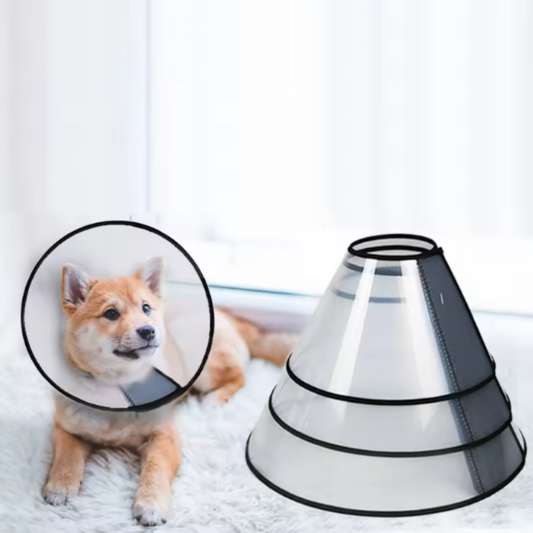
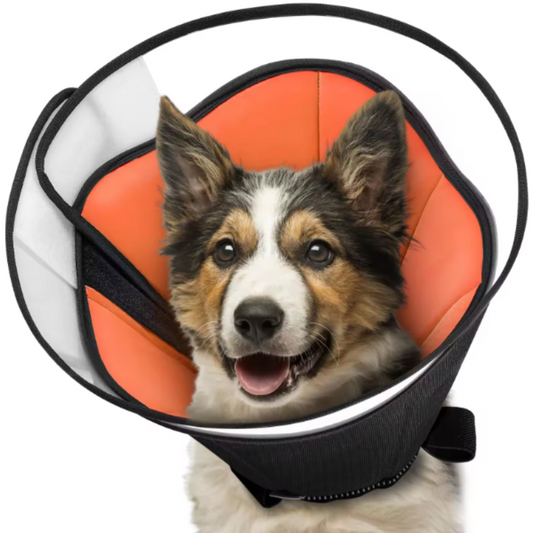
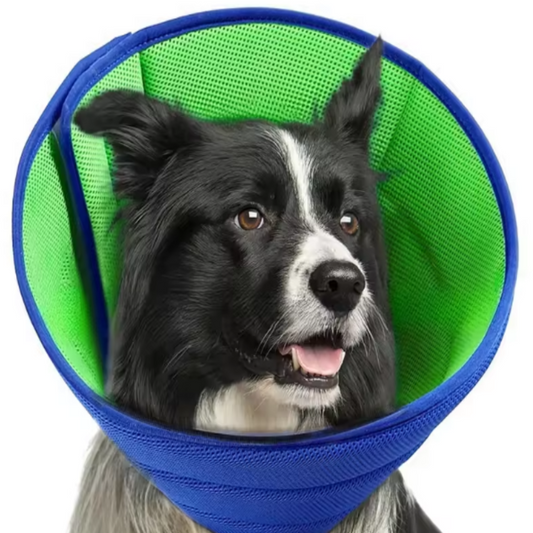
You may also hear them called Elizabethan collars or E collars. The traditional version is the familiar plastic cone, although that is not the only type available. There are softer fabric designs and inflatable collars as well, and they all sit quite differently once they are on the dog.
If your vet has recommended a collar after an operation or treatment, it is worth checking which type they want you to use rather than assuming every cone does the same job.
Plastic, Soft or Inflatable?
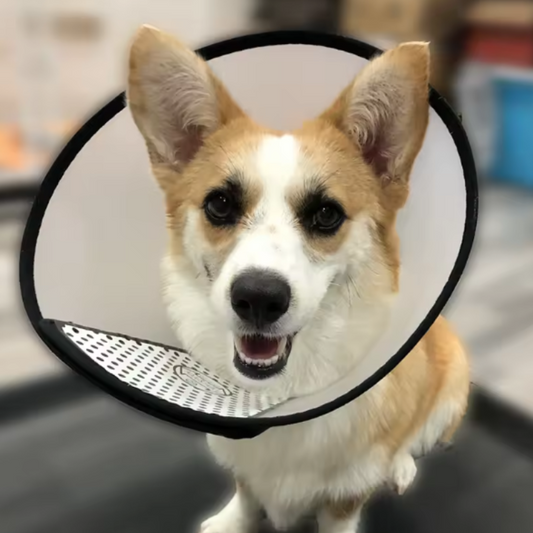
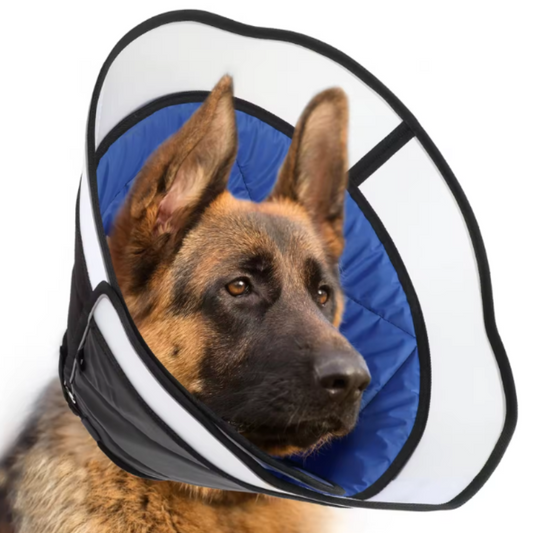
The hard plastic cone is probably the one most people recognise straight away.
It extends out around the head and keeps its shape rather than folding in easily. Plastic also has a fairly straightforward surface to wipe down if it gets dirty.
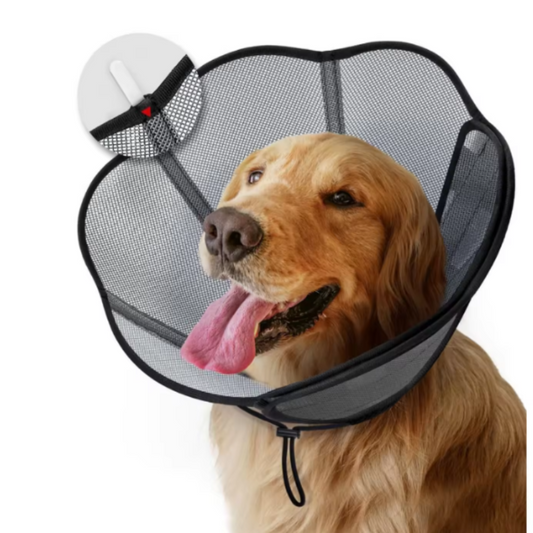
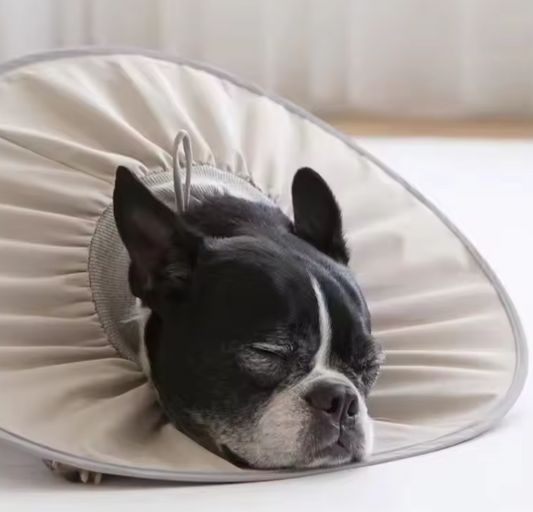
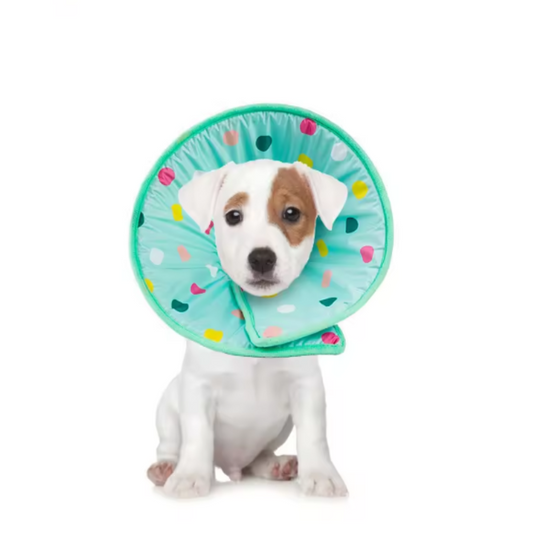
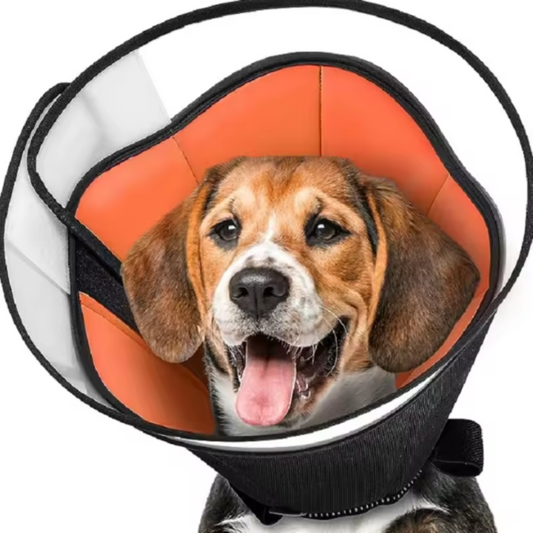
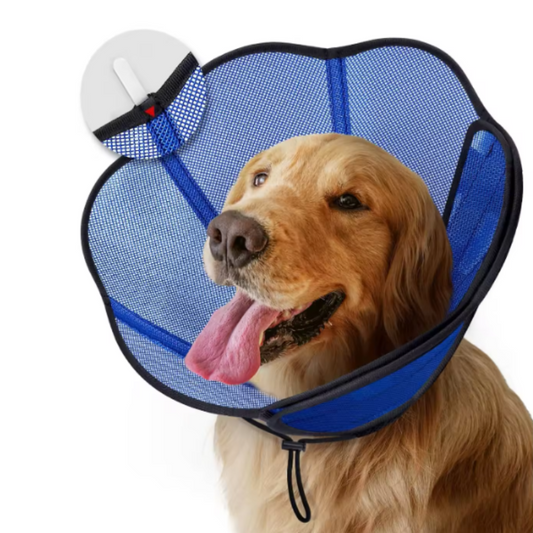
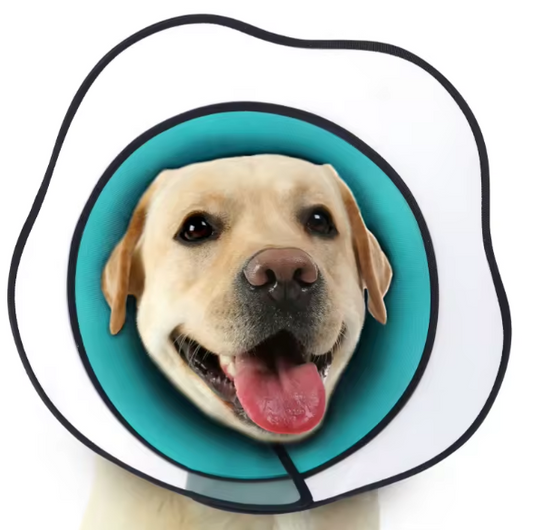
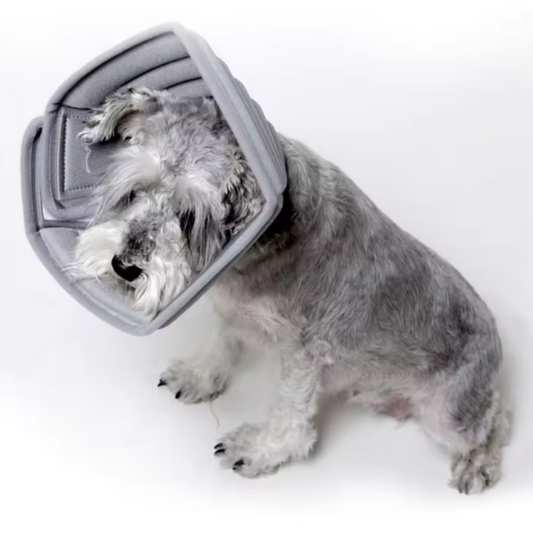
Soft fabric collars look different. They have more give in them and do not have the same rigid feel as a plastic cone. Exactly how firm they are will depend on the individual product, so the photographs are useful here.
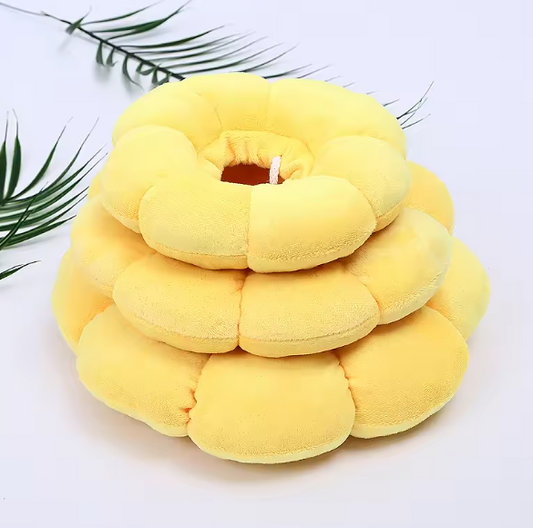
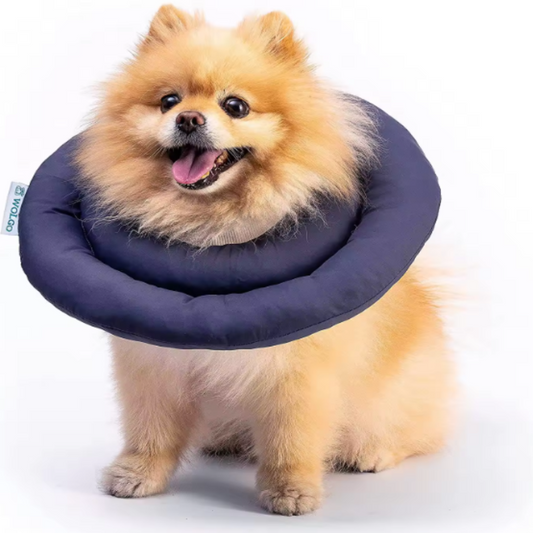
Then there are inflatable collars. These sit much closer to the neck and look a little like a travel pillow when filled with air.
If the collar is being used following veterinary treatment, check that the type you choose is suitable for where it needs to sit.
Size Matters More Than It Looks
Cone collars can be difficult to judge from photographs.
A plastic cone may look enormous when laid flat and quite different once it is actually fitted. Inflatable versions can have the opposite problem and look fairly compact until they are filled with air.
Use the measurements in the listing rather than guessing from the dog's breed or weight alone.
Have a look at both the neck measurement and the overall shape of the collar. Dogs that appear similar in size can have very different necks and head shapes.
The length of a traditional cone is worth paying attention to as well. That measurement affects how far the cone extends forwards from the neck.
Getting Used to the Extra Width
The first few minutes in a cone can look rather awkward.
A dog that normally walks straight through a doorway may suddenly catch the edge on the frame. Chair legs and the corners of furniture can take a bit of working out too.
Some dogs adjust quickly. Others take a little longer.
If the collar keeps slipping, twisting or coming away from the position shown in the instructions, have another look at the fit rather than assuming the dog simply needs more time.
Food and Water Bowls
Eating and drinking can take a bit of trial and error with a larger cone.
The edge may catch a deep or narrow bowl before the dog's mouth reaches the food. A different bowl position or shape may make access easier, provided this does not interfere with any veterinary instructions you have been given.
Don't automatically remove a recovery collar for meals just because eating looks awkward.
Cleaning the Collar
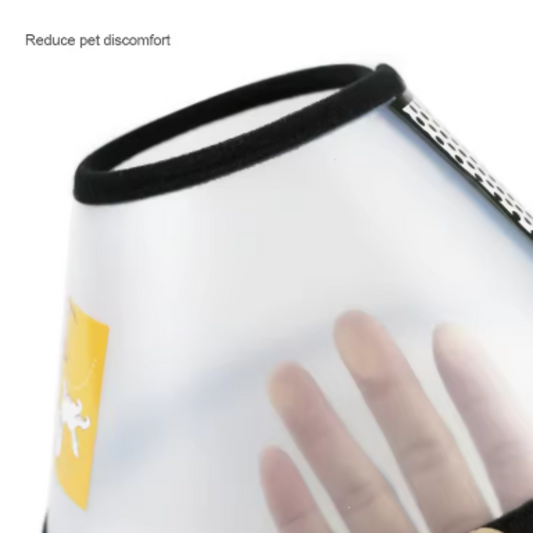
Plastic cones are generally fairly simple to wipe, although you should still follow any care instructions supplied with the product.
Fabric versions may need different treatment. Some can have removable sections or covers, while others may not.
Inflatable collars sometimes have a fabric cover around the air-filled inner section. If yours does, check whether the cover is removable before washing anything.
It is also worth looking at the collar itself while you clean it. Cracks in plastic, damaged fastenings, split fabric or a leaking inflatable section are all reasons to stop and check the collar before putting it back on.
Have a Look at the Fastening
Not every dog cone collar attaches in the same way.
Some have adjustable tabs or straps. Others may have loops or openings that work with an ordinary dog collar. The inflatable styles can use a different arrangement again.
The photographs normally give a reasonable idea of how the fastening works, but the written description should tell you more.
This is another reason not to pick entirely by colour or appearance. A cone can look right in the photograph but still be the wrong size or fastening style for what you need.
Choosing Between the Different Designs
Start with why the collar is being used.
If it has been recommended by a vet, their advice on the type and size should come first. After that, compare the actual products in the collection.
Plastic cones are rigid and extend around the head. Soft versions have more flexibility. Inflatable collars sit around the neck in a padded ring shape.
Those physical differences matter far more than whether one happens to come in a nicer colour.