
-
Leather dog collar quick release
Regular price £24.99 GBPRegular priceUnit price per£29.99 GBPSale price £24.99 GBPSale -
Purple leather spiked dog collar
Regular price £19.99 GBPRegular priceUnit price per£29.99 GBPSale price £19.99 GBPSale -
Dark brown leather dog collar
Regular price £19.99 GBPRegular priceUnit price per£24.99 GBPSale price £19.99 GBPSale -
Wide leather dog collar
Regular price £19.99 GBPRegular priceUnit price per£24.99 GBPSale price £19.99 GBPSale -
Heavy duty leather dog collar
Regular price £19.99 GBPRegular priceUnit price per£24.99 GBPSale price £19.99 GBPSale -
Black studded dog collar
Regular price £19.99 GBPRegular priceUnit price per£24.99 GBPSale price £19.99 GBPSale -
Leather dog collar with handle
Regular price £24.99 GBPRegular priceUnit price per£29.99 GBPSale price £24.99 GBPSale -
Real leather dog collar
Regular price £24.99 GBPRegular priceUnit price per£34.99 GBPSale price £24.99 GBPSale -
Leather clip dog collar
Regular price £24.99 GBPRegular priceUnit price per£34.99 GBPSale price £24.99 GBPSale -
Thick leather dog collar
Regular price £24.99 GBPRegular priceUnit price per£34.99 GBPSale price £24.99 GBPSale -
Tan brown leather dog collar
Regular price £19.99 GBPRegular priceUnit price per£24.99 GBPSale price £19.99 GBPSale -
Leather metal dog collar with buckle
Regular price £24.99 GBPRegular priceUnit price per£34.99 GBPSale price £24.99 GBPSale -
Pink leather dog collar
Regular price £24.99 GBPRegular priceUnit price per£34.99 GBPSale price £24.99 GBPSale -
Brown leather dog collar
Regular price £19.99 GBPRegular priceUnit price per£24.99 GBPSale price £19.99 GBPSale -
Waterproof leather dog collar
Regular price £24.99 GBPRegular priceUnit price per£34.99 GBPSale price £24.99 GBPSale -
Padded leather dog collar
Regular price £24.99 GBPRegular priceUnit price per£34.99 GBPSale price £24.99 GBPSale
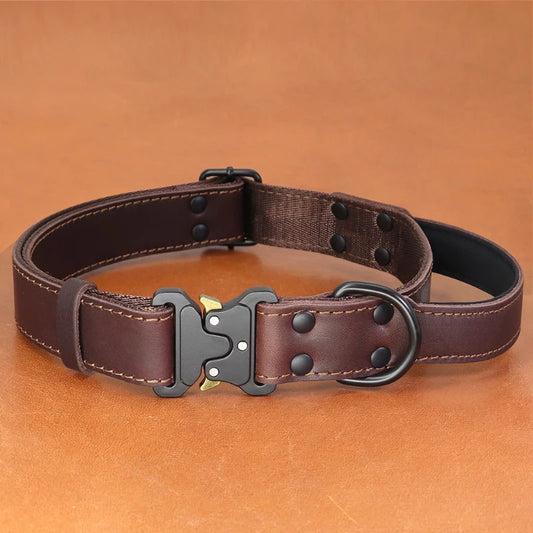
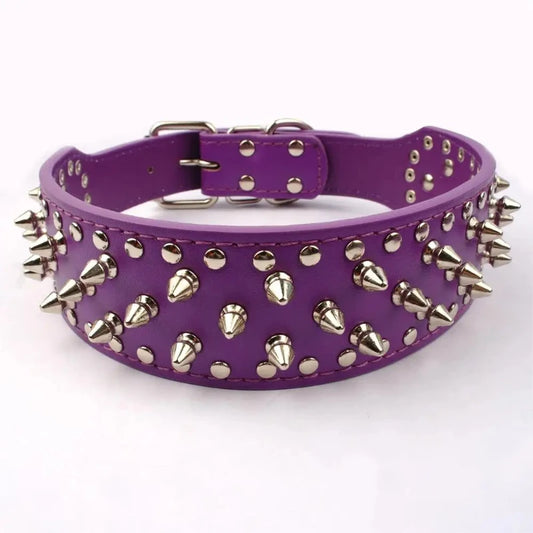
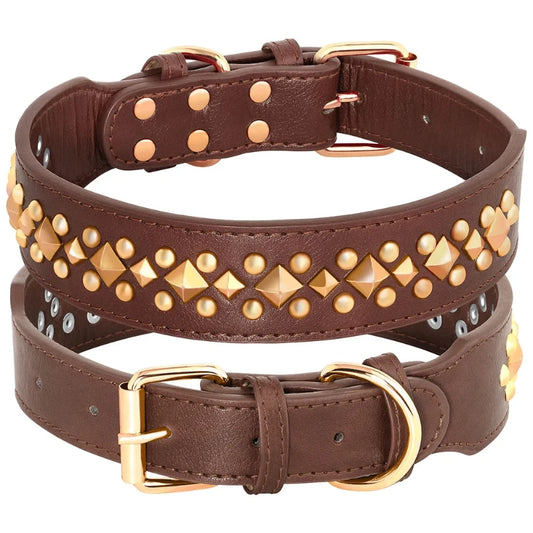
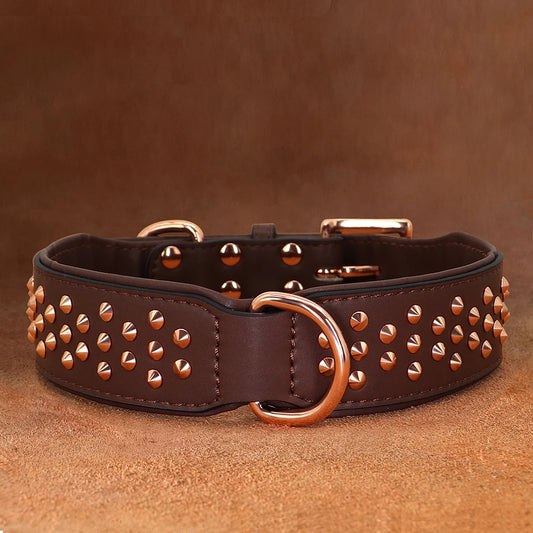
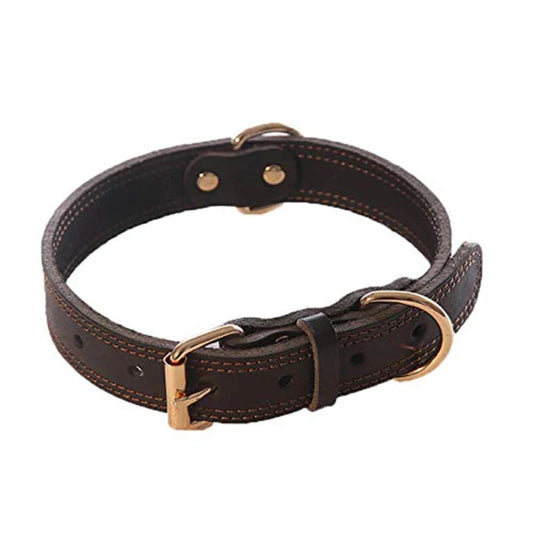
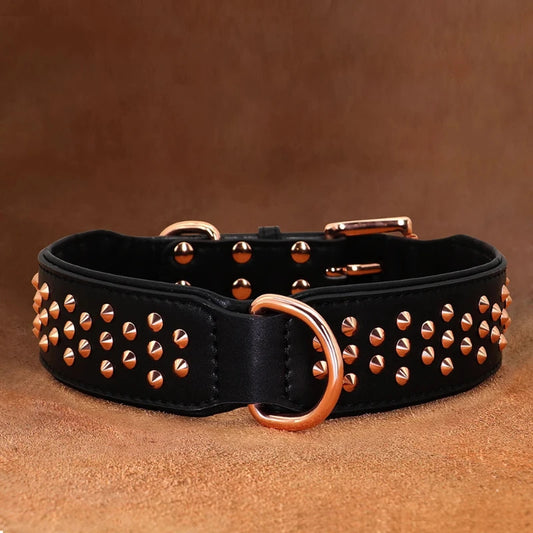
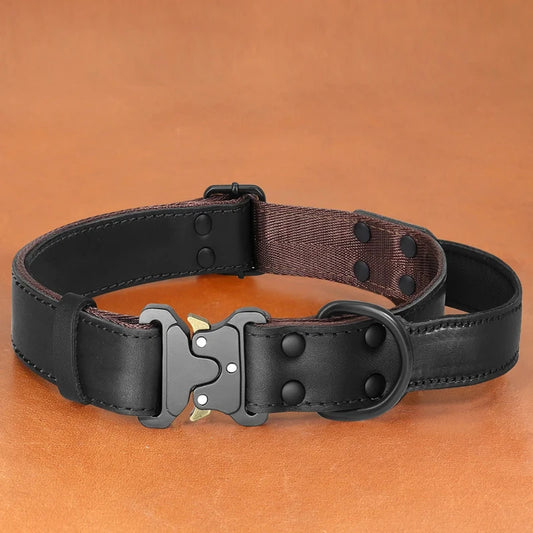
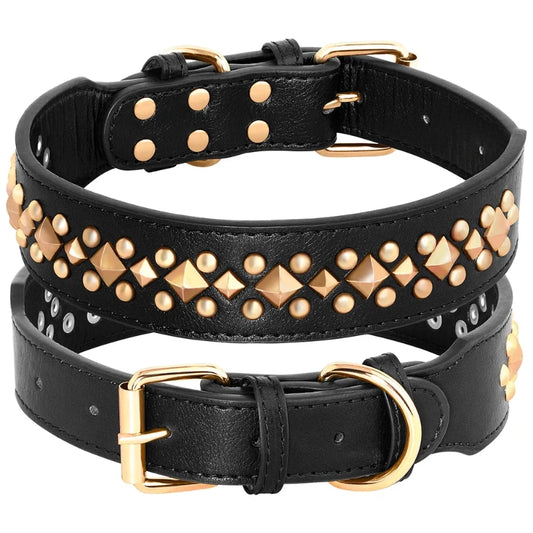
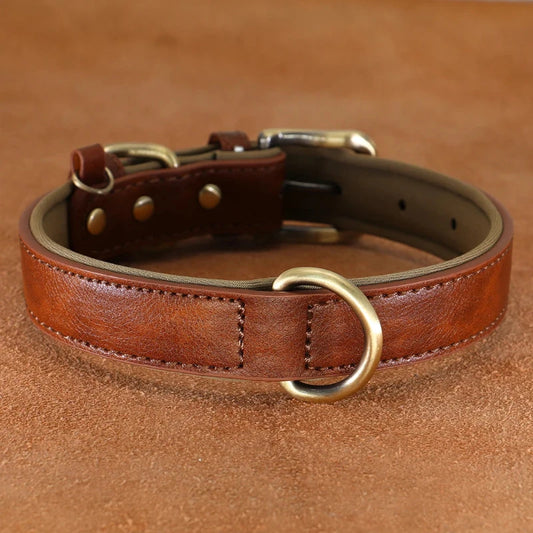
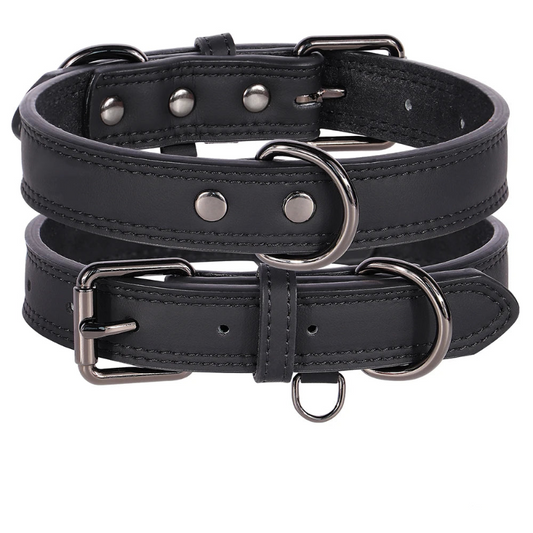
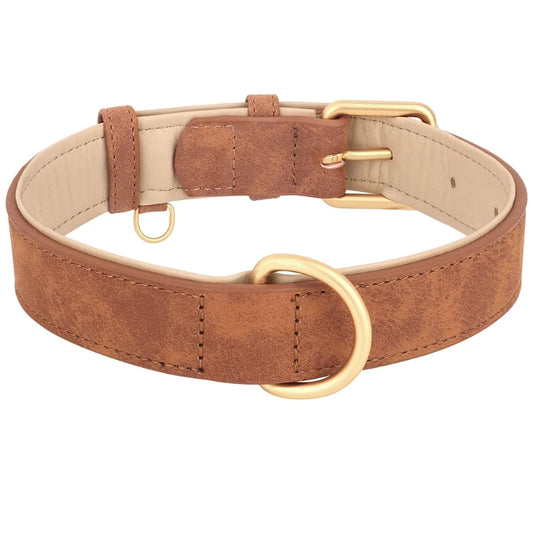
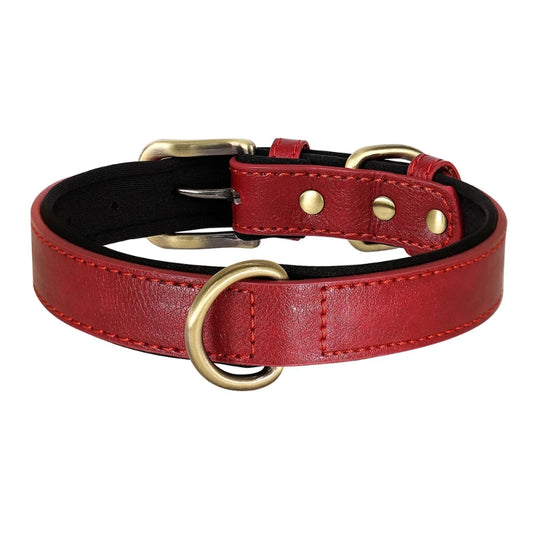
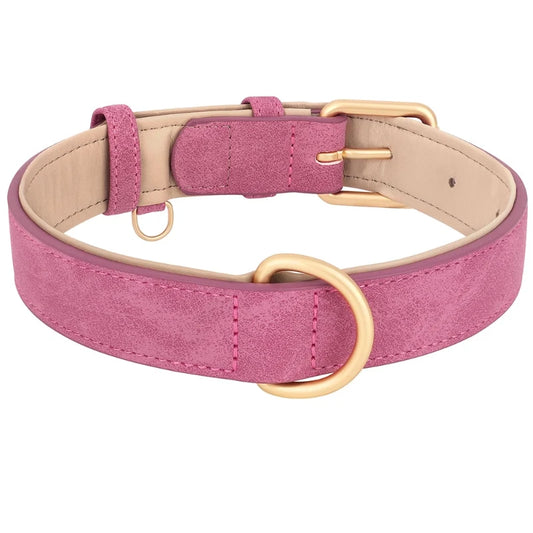
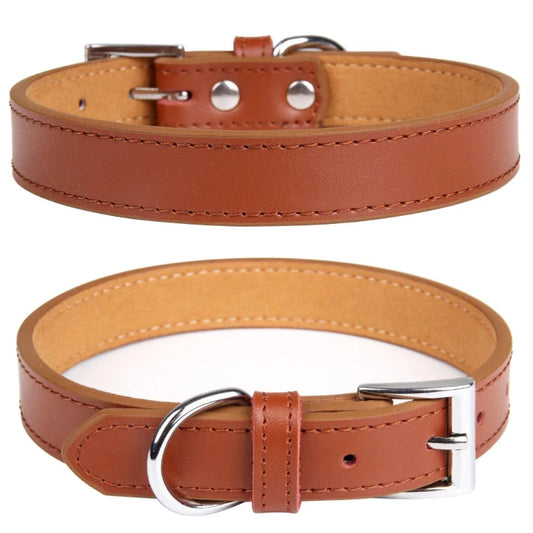
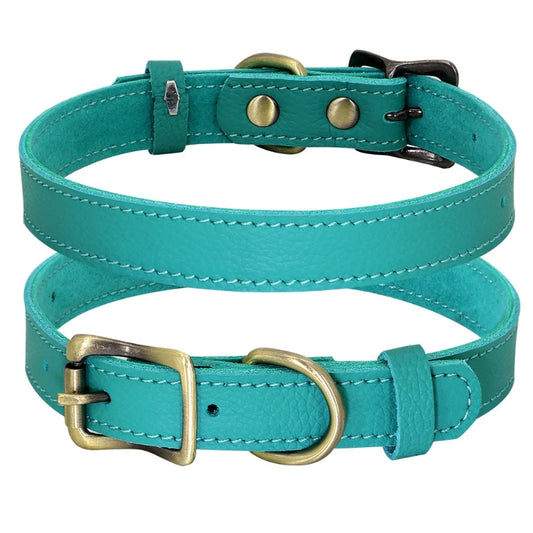
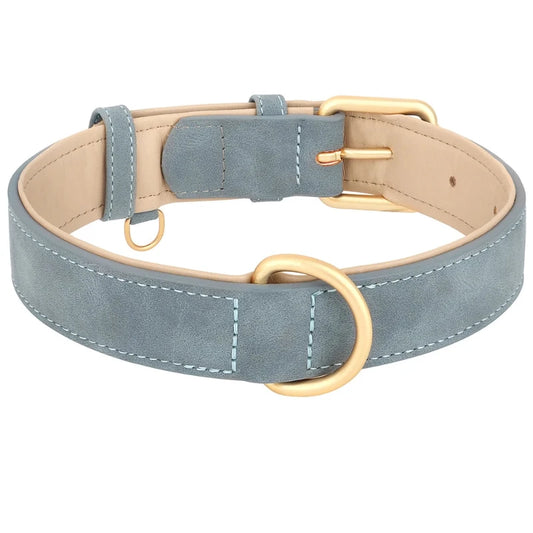
Leather dog collars have a very different feel from fabric or nylon ones.
The colour makes quite a difference too. Dark brown and black give a more traditional look, while lighter shades stand out more against some coats.
Looks are only part of it, though. Width, neck size and the fittings are the things worth checking properly before you order.
Leather Can Feel Firm When It Is New
Leather can become more flexible through normal handling and wear, although exactly how it changes will depend on the particular collar and the leather used.
There is no need to bend or work a new collar aggressively to try to soften it straight away.
If you prefer a softer-feeling collar from the start. Have a close look at the individual photographs and description. Not every leather collar has the same thickness or finish.
Check the Width, Not Just the Length
Neck measurement is the obvious place to start, but collar width matters as well.
A broad leather collar can look quite substantial on a smaller dog. A narrower one has a much lighter appearance, even when the neck measurement is similar.
The buckle and D-ring can change the overall feel too. Larger metal fittings are much more noticeable on a slim neck than they are on a broad collar worn by a bigger dog.
Use the measurements on the product page rather than trying to judge scale from the photograph.
Breed names are not especially useful for sizing. Two dogs of the same breed can still have different neck measurements.
Buckles and Adjustment Holes
A traditional buckle suits leather particularly well and is used on many leather collar designs.
Have a look at the number and position of the adjustment holes shown on the particular collar. Once fitted, the buckle tongue should sit through one of the intended holes rather than through an improvised opening added afterwards.
It is better to buy the appropriate size in the first place than choose something much too large with the idea of adding extra holes later.
The product listing should give you the adjustment range.
While you're looking at the buckle, check the rest of the hardware as well. The D-ring, buckle and the leather around those areas tend to be the parts you handle most often.
Plain Leather or Something with More Detail?
Not every leather collar has the same look.
Some are fairly simple, with the leather and buckle doing most of the work. Others may have decorative details or a more noticeable finish.
This comes down largely to preference.
A plain dark collar is easy to pair with different leads. A collar with more decoration is naturally going to stand out more.
Look closely at the product photographs if those details matter to you. Close-up pictures are much more useful than the main image for seeing the surface of the leather, stitching and hardware.
Leather and Wet Weather
Leather can cope with the odd wet walk, but it is worth taking a little more care of it than you would with some synthetic collars.
For very muddy walks, swimming or days when you know your dog is going to get drenched, you might prefer to use a different collar and keep the leather one for drier days.
A bit of rain is one thing. Being soaked again and again is another.
Cleaning Doesn't Need to Be Complicated
How much cleaning it needs will depend on the leather and its finish, so don't assume that a cleaning product suitable for one leather collar belongs on every other one.
Check the care information first.
This is also a good opportunity to look at the condition of the collar. Pay attention to the leather around the buckle holes, the D-ring and any stitched sections.
Small changes in the surface are one thing. Splitting leather, badly damaged stitching or distorted hardware deserve more attention.
The photographs on each listing should give you the best idea of the original colour and texture.
Choosing a Leather Collar
There isn't much benefit in making the decision complicated.
Measure the neck first and check the adjustment range. Then look at the width of the leather and the size of the buckle and other fittings.
After that, choose the colour and finish you actually like.
A narrow plain collar and a broad leather design with heavier hardware may both be leather dog collars, but they can look completely different once fitted.
That is why the individual measurements and close-up photographs are more useful than choosing purely from the collection page.