
-
Small black dog collar
Regular price £14.99 GBPRegular priceUnit price per£19.99 GBPSale price £14.99 GBPSale -
Small collar for puppy
Regular price £19.99 GBPRegular priceUnit price per£24.99 GBPSale price £19.99 GBPSale -
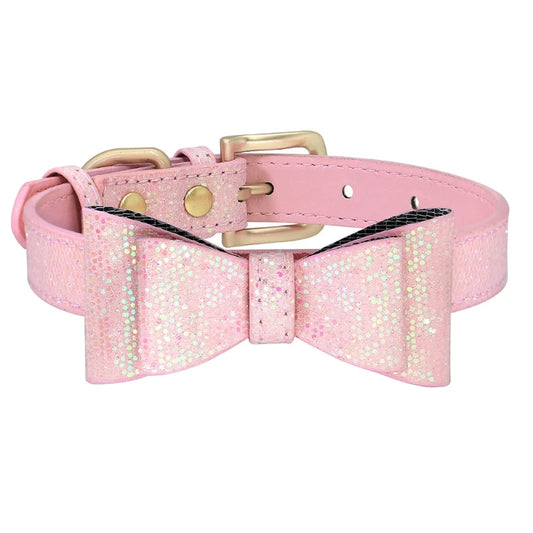 Sale
SaleBaby pink dog collar
Regular price £19.99 GBPRegular priceUnit price per£24.99 GBPSale price £19.99 GBPSale -
Small red leather dog collar
Regular price £14.99 GBPRegular priceUnit price per£19.99 GBPSale price £14.99 GBPSale -
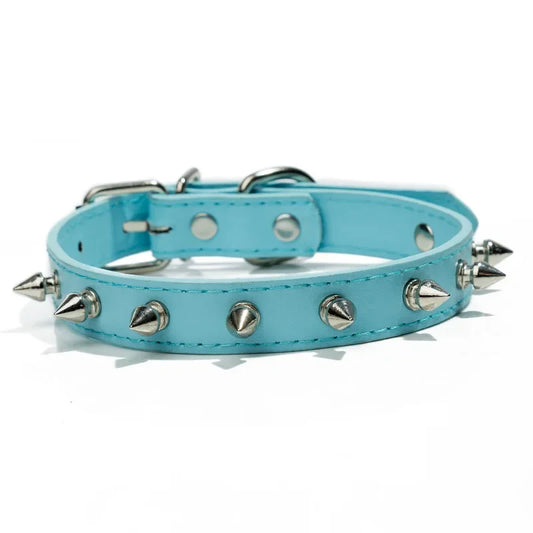
Small studded dog collar
Regular price £14.99 GBPRegular priceUnit price per£19.99 GBPSale price £14.99 GBPSale -
Extra small puppy collar
Regular price £14.99 GBPRegular priceUnit price per£19.99 GBPSale price £14.99 GBPSale -
Small dog bow tie collar
Regular price £19.99 GBPRegular priceUnit price per£24.99 GBPSale price £19.99 GBPSale -
Small leather dog collar
Regular price £14.99 GBPRegular priceUnit price per£19.99 GBPSale price £14.99 GBPSale -
Spiked collar for small dog
Regular price £14.99 GBPRegular priceUnit price per£19.99 GBPSale price £14.99 GBPSale -
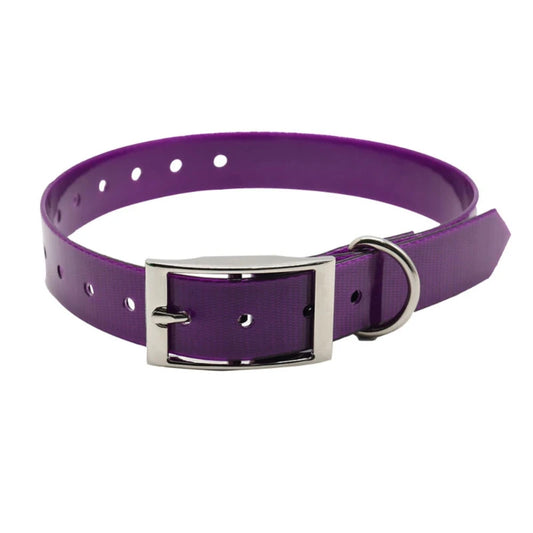
Small purple dog collar
Regular price £19.99 GBPRegular priceUnit price per£24.99 GBPSale price £19.99 GBPSale -
Extra small dog collar
Regular price £14.99 GBPRegular priceUnit price per£19.99 GBPSale price £14.99 GBPSale -
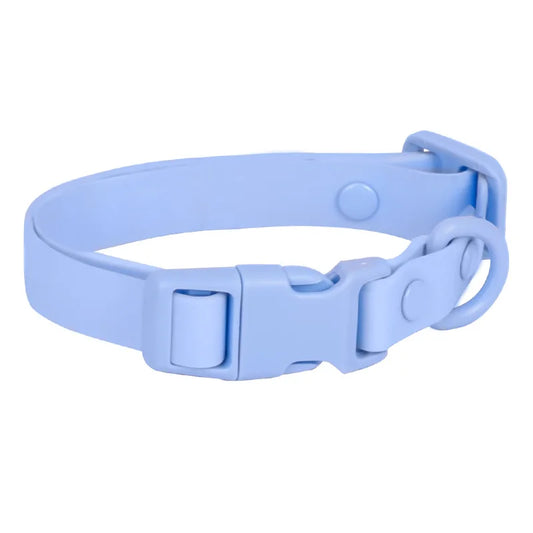
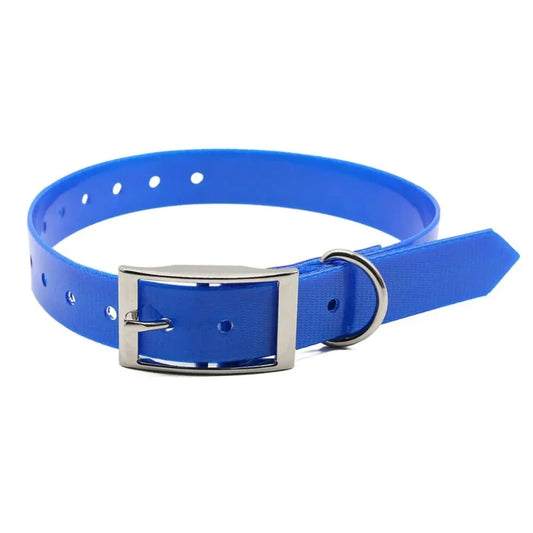
Small blue dog collar
Regular price £14.99 GBPRegular priceUnit price per£19.99 GBPSale price £14.99 GBPSale -
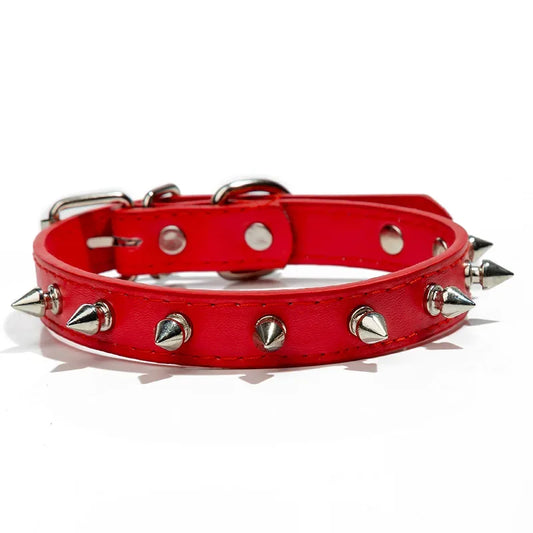 Sale
SaleSpiky dog collar
Regular price £14.99 GBPRegular priceUnit price per£19.99 GBPSale price £14.99 GBPSale -
Small dog training collar
Regular price £14.99 GBPRegular priceUnit price per£19.99 GBPSale price £14.99 GBPSale -
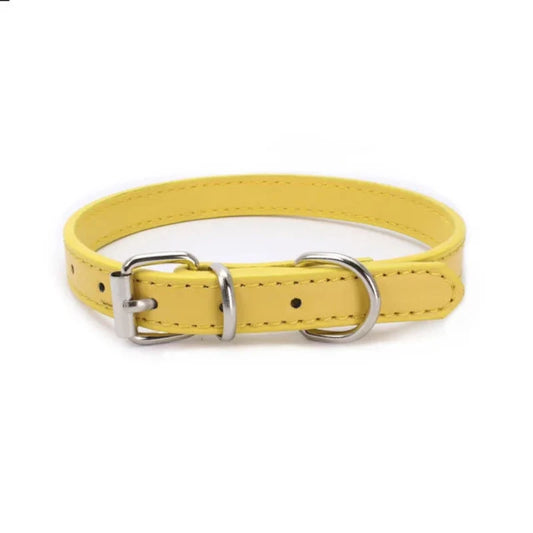 Sale
SaleTiny dog collar
Regular price £14.99 GBPRegular priceUnit price per£19.99 GBPSale price £14.99 GBPSale -
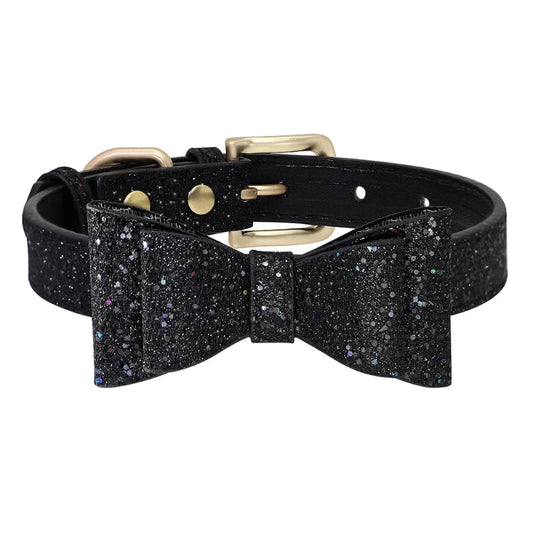 Sale
SaleBaby dog collar
Regular price £19.99 GBPRegular priceUnit price per£24.99 GBPSale price £19.99 GBPSale
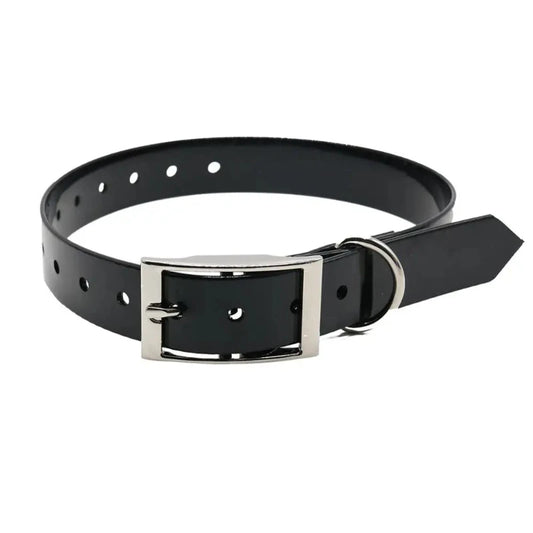
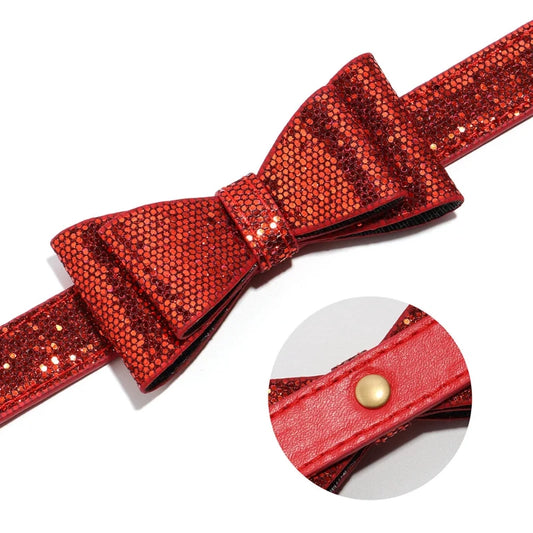
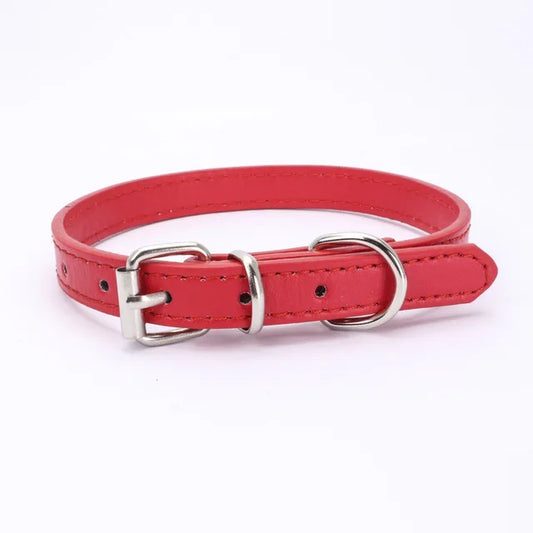
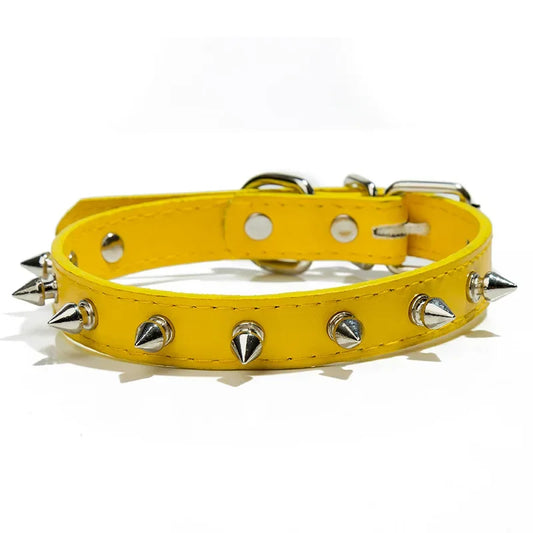
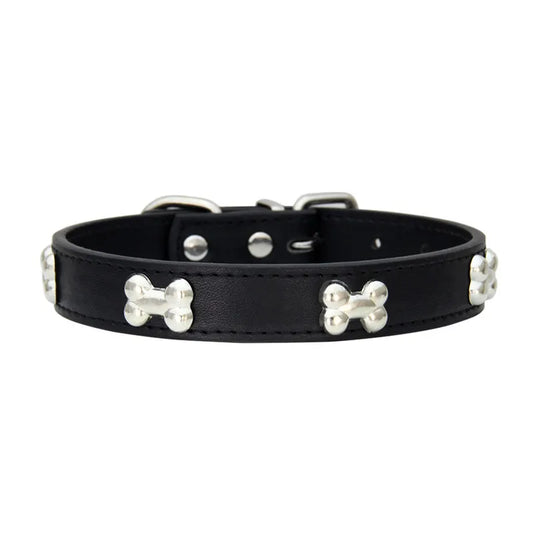
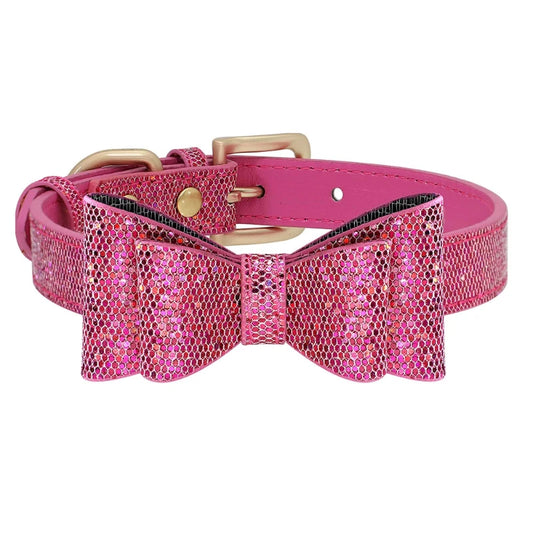
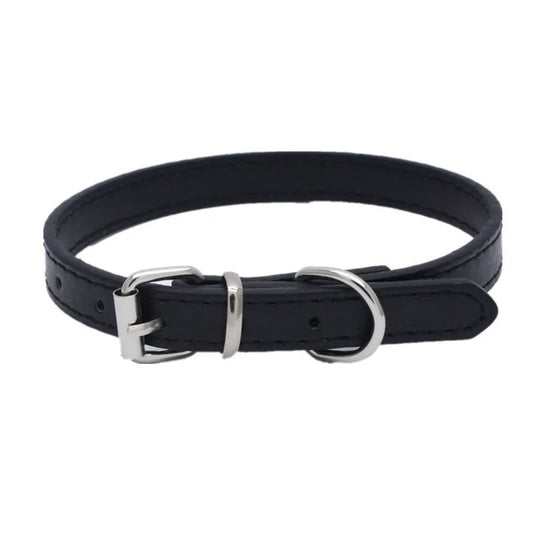
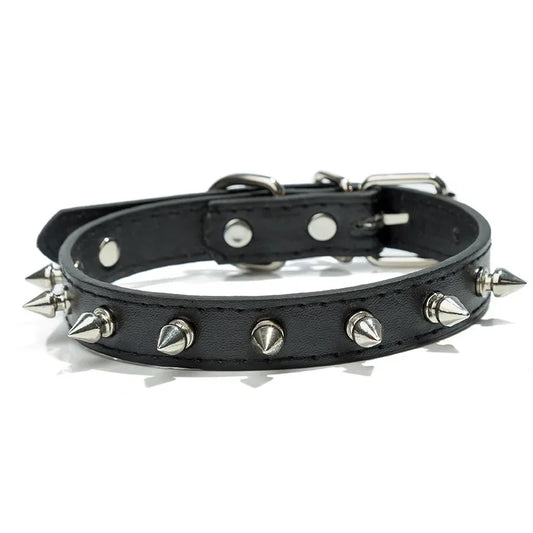
Small dog collars need a little more thought than simply picking the smallest size on the page.
The width of the band matters. So does the size of the buckle, D-ring and any other hardware. Put a chunky collar on a little neck and it can look much bigger than you expected.
This collection includes different materials and designs. It is worth comparing the individual collars rather than assuming they are all scaled in the same way.
Start with the Neck Measurement
Measure your dog's neck before choosing a size.
It sounds obvious, but terms such as small, extra small or puppy can mean different things from one collar to another. The actual measurements on the product page are much more useful.
Breed isn't a particularly reliable shortcut either. Two small dogs of the same breed can still have different neck sizes.
You want to know where your dog's measurement sits within it rather than simply seeing the word “adjustable” and assuming it will fit.
This is especially worth keeping an eye on with younger dogs, as the fit can change as they grow.
Watch the Width and Hardware
This is where small dog collars can differ quite a lot.
A narrow band with compact fittings has a completely different feel from a wider collar with a larger buckle and D-ring. Both may be sold for small dogs, but they will not look the same once they are on.
Have a look at the close-up photographs if they are available.
The size of the buckle is worth noticing, as is the lead ring. On a small collar, even a fairly ordinary piece of hardware can become quite noticeable.
If your dog normally wears something very slim, moving to a broader design may be more of a change than the product photograph suggests.
Nylon or Leather?
There are nylon and leather options within this type of collection, and they have quite different finishes.
Nylon collars tend to have more of a fabric look. These are often available in a wider choice of colours or patterns.
Leather gives a more traditional appearance and can feel firmer when new, depending on the particular collar.
There is no need to decide that one material is automatically better for a small dog. Look at the width, fastening and overall construction as well.
A narrow leather collar may look quite light on the neck, while a nylon design with chunkier fittings can look more substantial.
The individual listing will give you the details for the collar you are actually considering.
Buckles and D-Rings
Some small dog collars use straightforward buckle or clip fastenings. A D-ring for attaching a lead or tag.
Take a second to look at how large those parts are compared with the collar itself.
On a bigger dog you may barely notice them. On a tiny dog they can make up a surprisingly large part of the collar.
The product photographs should show how the fastening works, but check the written description too. That is the better place to confirm the actual construction.
Once the collar is being used, it is worth looking over the buckle, D-ring and stitching every now and then. You are simply checking for obvious wear or anything that has started to come apart.
Some Collars Are Better Suited to Wet Walks Than Others
If your dog regularly comes home wet or muddy, have a look at the material before ordering.
Some collars in this sort of range may be described as water-resistant or waterproof, while leather and other materials can need different care.
Don't assume every collar can be washed or dried in the same way.
If a particular product has instructions for cleaning or drying, follow those rather than applying the same routine to everything.
For a dog that seems to find every muddy puddle on a walk, this can be worth thinking about before you choose purely by colour.
Colours and Patterns
Once the practical bits are sorted, there is plenty of room to choose something you actually like looking at.
Some small dog collars are plain. Others use brighter colours or patterns.
A design can also look quite different against the dog's coat. Dark colours may disappear into darker fur, while brighter shades stand out more. On a pale dog, the effect can be completely different.
Look through the photographs rather than relying on the close-up image alone. A pattern that looks busy when the collar fills the whole screen may be much more subtle once it is around a small dog's neck.
Keep Checking the Fit
Small dogs can have fine necks, and even a small change in adjustment can be noticeable.
Have another look at the collar from time to time rather than assuming that once it has been fitted, it can be forgotten about.
This is particularly useful with puppies and younger dogs.
The adjustment has moved or something looks different from when you first fitted it.
Choosing Between the Small Dog Collars
Start with the measurement. Then look at the width and the size of the fastening.
After that, compare the material, adjustment range and whatever colour or pattern catches your eye. If you prefer a softer lining, have a look at our padded dog collars.
The smallest-looking collar in a photograph is not necessarily the best choice. A collar labelled for small dogs can still vary quite a bit in width and hardware.